Category Archives: Brainpower

9 insights from Jacob Tomsky’s memoir “Heads in Beds”

headsinbeds

I am no stranger to hotel rooms. All through middle school, high school and college I participated in competitive speech and debate (and then for 3 more years I stuck around to coach it). This meant most weekends I was packing up panty hose, pajamas and pearls, hopping in a plane or a bus or a van and checking into a hotel for 2-5 day tournaments in  cities not my own. Which is why when I heard a segment on NPR about Jacob Tomsky’s book “Heads in Beds: A Reckless Memoir of Hotels, Hustles and So-Called Hospitality” it went straight on my reading list. Did front-desk clerks really sell keys to rooms in shady “under the table” deals like a certain unnamed DOF was so sure of? How dirty ARE those sheets and were we right to check for bed bugs upon arrival? Why in Jesus’ name did those key cards stop working at the most inopportune moment?!? While Tomsky’s book covers accommodations on the more luxury end, it is certainly eye opening and titillatingly honest for any reader who has been met with the question, “Checking in?’

I thought I would share some insights from his tale. Here are nine!

On free snacks- Check into your room and empty the mini-bar into your suitcase, smoke a cigarette in the room and then call down to the front desk complaining of a strong smell of smoke. You will be switched to a new room and there will be no way of tracing those purchases to you.

On the powers of furniture polish Housekeeping frequently uses furniture polish on the mirrors to get a streak-free look. Where else does this tactic come in handy? The water glasses. Ever notice there isn’t any dish soap on a housekeeper’s cart? Yet, she is responsible for cleaning those glasses at the end of your stay.

On the oldest profession “Like milk and cereal: whores and hotels.”

On polite ways to decline help from a bellman “I can go up alone, but thanks anyways.” “No thank you, but I appreciate it.” “I think I would rather just go up alone, if that’s okay.”

On bellmen’s love of bricks (aka $100 bills) The bottom right corner of the new $100 bill features a color-shifting 100 that is slightly raised. This can be used by bellmen to convince unsuspecting desk clerks that a one-hundred dollar bill has such POWER that they can pick one out of a line up even when blind-folded…or you could use it as a neat parlour trick.

On the AAA Diamond ranking There are certain amenities a hotel must boast in order to receive the elusive fifth diamond, including; pool, full spa, TVs larger than a specified minimum in each room and long dead bolts on doors.

On booking online Booking your stay through a third party website pretty much guarantees you the worst room possible. But…

On how to get the best room regardless “Just hand over a twenty at check-in and say, Give me something nice.””

On the bottom line As a guest, politeness is key and money talks. Be kind to staff, tip who you can and who knows? You may come back to your room to discover a complimentary bottle of vino or stumble your way into a suite upgrade. Have a great stay!

hotel

Do you stay in hotels a lot? I don’t really anymore but for a good chunk of time there it felt like I lived in them. Have you read this book? Would you? I highly recommend it!

World Cup Half Empty or Half Full

Ghana v USA: Group G - 2014 FIFA World Cup Brazil

The other day, I was talking to my friend Jimmy Drake about the World Cup. He LOVES it…and sports in general, actually. But his stance that this relationship isn’t always easy interested me. I asked him to share his thoughts with you on why and HOW you can choose to embrace, love and celebrate one of the greatest shows on Earth–The World Cup. As Team USA takes on Germany this afternoon, while at the same time protesters continue to riot just a stones throw away from the pitch, things have certainly reached fever pitch. Thanks so much for sharing, Jimmy, your analysis rings remarkably true. Enjoy!

World Cup Half Empty or Half Full

by Jimmy Drake

As we get older all kinds of things become more complicated. It’s a fact of life, but it’s become especially evident in my sports fandom. When I was a kid it was easy to root for my favorite baseball team, the Atlanta Braves, and wear their logo proudly. However, as I grew older, I realized a picture of a screaming Indian and tomahawk chants are offensive to Native Americans. As a kid it was easy to get excited every time my favorite football player clobbered a defenseless receiver, but as I learned about the severity of concussions and brain damage my shouts and fist pumps turned to cringes. Or college basketball–growing up in Kentucky it’s a close second to Southern Baptist as the state’s dominant religion. But then you learn the NCAA generates millions of dollars as a “non-profit,” gives athletes a rushed and sometimes¹ even fabricated college education, and only offers their scholarships one year at a time. These situations bring up complicated emotions for any informed sports fan, but none present the biggest challenge to my compartmentalization skills as much as FIFA and the World Cup.

Before I explain how evil and corrupt FIFA is, I’ll explain how fucking awesome the World Cup is. First off, it’s soccer at a high level. The teams aren’t as good as you’d find in the Champions League or the Euro’s, but it means more than both of them. Soccer on it’s own can be beautiful and epic. The World Cup adds to this beauty and epicness by raising the stakes to an astronomical level. Just watch the video of Maradona in the 1986 World Cup. His goal is one of the more incredible things I’ve ever seen in sports, the moment magnified by the hopes of an entire nation.


And these hopes are the very reason Americans should enjoy the World Cup. Being a patriotic American is awesome, but given America’s current geopolitical standing, it’s difficult for me to to get all patriotic about wars, politics or international relations. Sports make it easy. I can chant “USA!USA!USA!USA!” and wave a “Don’t Tread On Me” flag without looking like an imperialist xenophobe. I can sing the national anthem with my hand over my heart without feeling like I’m being indoctrinated into nationalism. Events like the Olympics² and the World Cup are my only chance.

americanfans

So the World Cup is awesome, that’s easy enough, but something sinister lies beneath the surface. FIFA is the Fédération Internationale de Football Association³ and it’s president, Sepp Blatter, is a villainous character straight out of a Disney movie, the kind of guy who suggests female soccer players wear shorter shorts to grow interest in their sport.

Countries find it an incredible honor to host a World Cup, so much so that they’ll change constitutions¹, pay millions of dollars in bribe money² and pour their own citizens tax money into stadiums that are rarely used once the whole shebang is over³ while these same citizens live in abject poverty. Okay, so that’s a pretty insane investment, but surely hosting a World Cup boosts the economy enough to have it all make sense. But FIFA operates as a non-profit. Any money they make in Brazil this year from endorsements, advertisements, ticket sales aren’t even taxable by the Brazilian government. So, while the rare rich hotel owner may profit the taxpayers investment isn’t returned at all. And locals are justifiably angry, storming the streets and protesting FIFA and all it stands for.

fifaprotests

There is no solution I’ve found to this conundrum other than compartmentalizing the two sides. I hate how FIFA and the Brazilian government have handled the event but I love the spectacle of it. And soccer… isn’t FIFA. Soccer isn’t the Brazilian government. Players train their whole lives for a chance at this World stage and I will cheer them on…and I will cheer them on even louder if they’re from the USA. It’s just another complication of growing up and having to search harder for joy in a complicated world.


1. http://www.newsobserver.com/2014/06/17/3943396/morris-what-happened-at-unc-happens.html?sp=/99/102/110/112/973/

2. Summer only. Seriously the Winter Olympics are so boring, except hockey. I’m honestly surprised that the USA figure skating team isn’t selected by way of a America’s Got Talent style reality show.

3.  Not just an awesome video game that helped get tons of American bros into soccer.

(Ed. Note: WordPress only let me “superscript” 1, 2, 3 so please excuse the repetition here.)

1. http://l2b.thelawyer.com/home/insight/how-fifa-is-changing-brazils-constitution-for-the-world-cup/3020589.article

2. http://www.theguardian.com/football/2011/may/10/millions-bribes-qatar-2022-world-cup-claims

3. http://www.npr.org/2014/06/21/324260148/world-cup-stadium-in-the-amazon-is-nice-but-is-it-needed


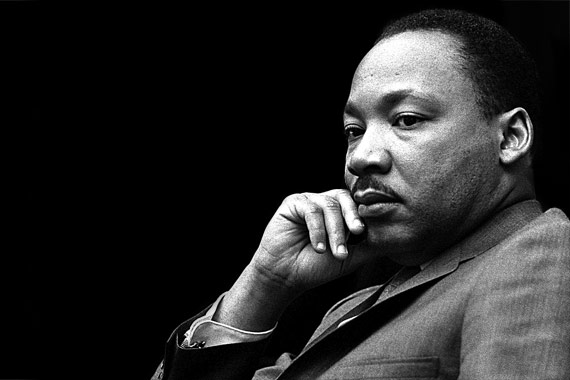
MLK, Jr’s call for abnormality.

mlk

Recently, I read a very thought-provoking article about a seldom discussed aspect of the life of Martin Luther King, Jr. The author posits that depression could have played an influential role in the efficacy of his life’s greatest works. Nassir Ghaemi, who is working on a psychological biography of MLK, poses the following question in the February 2014 Psychology Today, “ Were personal demons a key factor in MLK’s charismatic and transformational leadership?”

The deeper attitude behind [MLK’s] philosophy was his view that we should be “creatively maladjusted.” King was explicit in a sermon: “Everybody passionately seeks to be well-adjusted,” he said. “But there are some things… to which men of good will must be maladjusted.”

Psychiatrists and psychologists see being “adjusted” as fitting in, being accepted, “functioning” well. We tend to be rewarded for being well-adjusted, but King realized that to solve life’s problems, especially the most profound—racism, poverty, and war—we have to become, in a sense, abnormal. We have to stop accepting what everyone else believes. We have to become maladjusted if we are to be creative, and then we may find that insoluble dilemmas are masks for unrecognized problems with simple solutions.
King may have known what it meant to be maladjusted psychologically because he wasn’t normal psychiatrically.

***

Some won’t like the notion that King suffered from manic symptoms and depressive episodes. It would be ironic if those who admire his valiant fight against racism showed a bias against psychiatric illnesses, especially since illness may have contributed to his accomplishments.

Studies show that depression enhances empathy toward others, as well as realism in assessment of one’s own circumstances. King’s nonviolent resistance can be understood as a politics of radical empathy, an acceptance of one’s enemies as part and parcel of advancing one’s own agenda. The goal was not to defeat them but to change their attitudes: Racism was not a political problem to be outlawed; it was a psychological disease to be cured.

I recommend you check out the whole article here. It really forced me to take pause and think about the psychological make-up behind the very real people who fill our textbooks with their actions and end-goals but not their demons and pitfalls. The very thing which may contribute to the empathy, leadership, and creativity we take for granted is never discussed. This hypocrisy, especially as it pertains to admirers of King, is a striking argument. Perhaps, like King, we should look towards creative maladjustment.

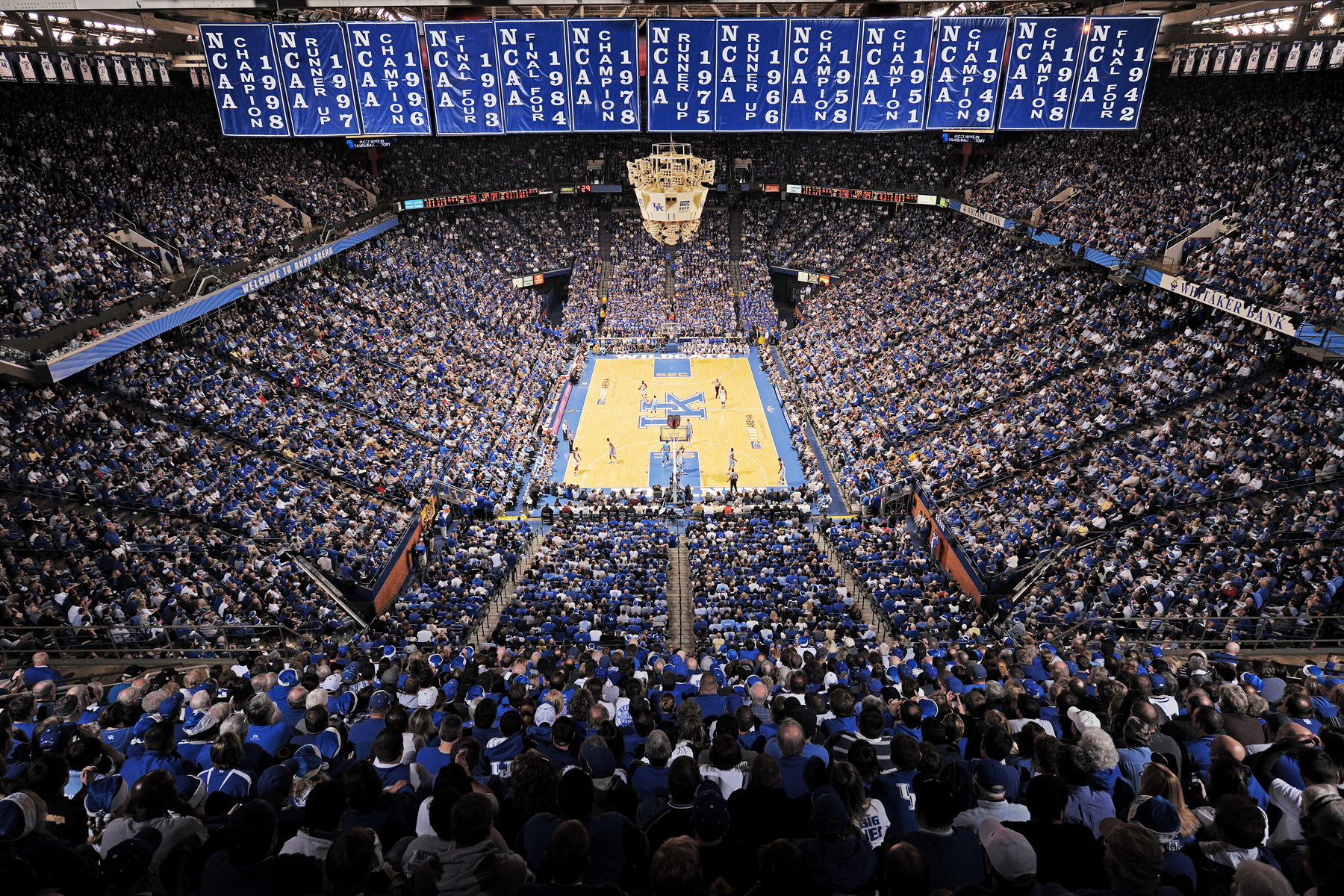
The big business of college sports.

ukbball

What are your thoughts on college sports? Over the years, the business behind these amateur athletes has been of peripheral interest to me. Sure, I bleed blue and love the NCAA basketball tournament. But after Nerlens Noel tore his ACL in a game I read up on the lack of insurance against serious injuries afforded to these sport-stars and my interest was piqued. And all the regalia sold across the country to mega fans of various collegiate programs has always struck me as strange when they’re emblazoned with the names of unpaid participants. Not to mention the billion dollar renovation to the glorified basketball court where my local team tips off has become a hotly contested political issue. Wanting to delve deeper into HOW college sports in our country went from extracurricular to big business, I turned to my ever-faithful Netflix account and streamed “Schooled: The Price of College Sports.” The documentary provides the history behind this transition into a billion dollar enterprise built on the backs of unpaid young adults.

On the other hand, I worked my ass off while participating in a college extracurricular, too. I’ve never felt I should have been financially compensated for that participation. Yet, my university wasn’t making millions of dollars off of that informative speaking final at the Ball State Invitational so….

This is definitely a subject where my opinions have yet to be fully formed. Check out the documentary if you’re curious! And I’d love to know…Do you support this billion dollar industry? Are you in favor of paying college athletes? What do you think? Let me know in the comments below!

In Defense of Beach Reads

beachchair

I love to read and I love to learn and I love devouring dense non-fiction books about language and anthropology and history and psychology in my free time. But there is something to be said about a good ol’ fashioned guilty pleasure book. Just cracking the cover of a just-for-fun, literary jaunt is pure bliss. Summer is definitely my favorite season to get totally lost in stories that I know won’t be particularly edifying or enlightening–but it’s READING damnit so it’s still super good for the brain! This holdover from when Summer’s were a break from homework and English class reading lists still holds up…even though, in the working world, I now fill my Amazon wishlist based on actual wishes and not syllabi. Something about the long stretches of daylight, the road trips, the reclining on patio furniture…

To kick off this season of guilty pleasure reading I tore through “The Girl with the Dragon Tattoo” and I’m about to wrap up “Mockingjay”. Apparently, serialized fiction that has been adapted to film is what I’m feelin’ this summer. Other go-to genres for my Summer months include: Young Adult fiction, romantic comedies set in Ireland, Historical Fiction that maaaaybe borders a bit on Erotica (sex scenes are FINE if they’re historically accurate, you guys), and true crime. What type of books go in your beach bag and carry-on items? What would you bring on a road trip across the country?


Looking for a summer-read recommendation? Here are a few of my past favorites:


Looking for Alaska by John Green

coming of age story. boarding school. first love. first loss.


The Glass Castle by Jeannette Walls

memoir. colorful characters. unconventional upbringing. on the road.


Snow Flower and the Secret Fan by Lisa See

female friendship. nineteenth century China. foot binding. Nu Shu (secret women’s writing).


Wishful Drinking by Carrie Fisher

comedic autobiography. based on one-woman stage show. princess leia. addiction recovery.


The Paris Wife by Paula McClain

historical literary fiction. hemingway and hadley. woman behind the man. lost generation.


The 19th Wife by David Ebershoff

historical polygamy. modern polygamy. POLYGAMY. NEED I SAY MORE???


I hope everyone is having a fantastic Summer so far and Happy Reading! Do you have any great reads you think are deserving of a spot on my list after I finish out this Hunger Games trilogy? I’d love some recommendations!

Share the shame.

journals

The other night, I watched the documentary “Mortified Nation.” A film about the stage show “Mortified” which, if you haven’t heard of, is basically a platform for adults to share their childhood writings with an audience of strangers. “Mortified Nation” combines performance footage from various shows with details on conception, implementation and production. In the opening scene, a teenager talks about her own private writings in her diary. She discusses this sacred book with reverence and questions; why would ANYONE want to read journal entries out loud to a room full of strangers? And you might be thinking the same thing. Yes, the stories shared by various performers throughout the film were embarrassing but they were also hilarious, deeply relatable and a gentle reminder that no matter who we become, when you get right down to it, we all came from the same place. A childhood where everything that happened was of grave importance when funnelled through a limited life experience.


After reading “The Geeks Shall Inherit the Earth,” this documentary really resonated with me both as a reminder of how we should be relating to teens and the emerging geek chic culture which Robinson discusses. As adults, it is easy to brush off the feelings and worries of children as unimportant. But “Mortified” literally spotlights some of the most important moments in these young lives. The performer embodies the younger version of themselves where first kisses, crushes, hatred were BIG. They grapple with emerging sexuality and conflicts with parents and we can relate. Yet, too often, put a real live teen in front of us with these same struggles and we think “you ain’t seen nothin’ yet, kid.” Young adults are starting to celebrate themselves (and the dorky childhoods that begot them) and serving as perfect examples for Robinson’s “quirk theory”–the characteristics that make your life terrible as a teen earn you accolades as an adult. For participants of “Mortified” these accolades are real, quantifiable celebrations like applause and laughter. Unsurprisingly, people go to these shows and leave wanting to participate. They want to share the shame. And I’ll be honest, watching the documentary made me want to do the same.


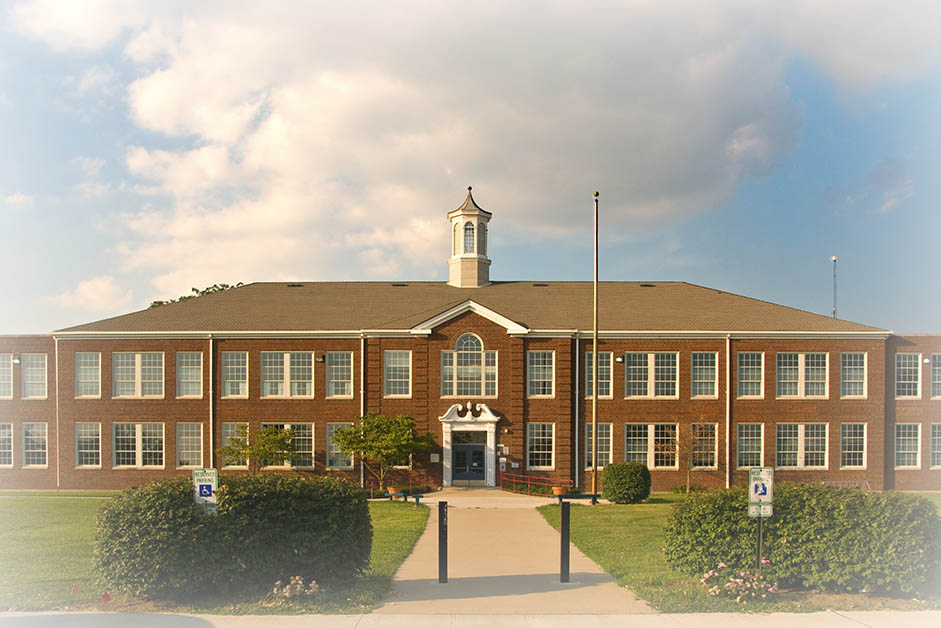
lafayettehs


I’m much too flighty to have ever kept extended written accounts of my life. I’m always jealous of the people who have boxes full of nostalgia hidden under their bed. (The mormons are the best at this, aren’t they? Shout out to y’all!) Unfortunately, I’ve moved a lot and every so often I just get an unquenchable urge to throw shit away. I would also rather tell people my secrets then keep them under lock and key. Even an old online journal, tucked away in a forgotten corner of the internet, is gone. Kept for over four years, it would have made some great “Mortified” fodder. My account of every teenage first has disappeared into the ether of now defunct websites from the early aughts. To be real, thinking about it bums me out…more than it maybe should. Of course, I am me –I should know how I felt during those years (which were BIG years: I lived abroad, went to proms, had a couple boyfriends, got into college, won some speech things…lost my dad) but going back to THE exact moment where the emotions, good or bad, had bubbled up to a boiling point so dire that you had to get them out or risk implosion–is different. And I think it’s ok for those of us who didn’t set out to be great life historians to be a little sad we can’t go back. At least not in the same way our peers can who were and are.

Of note: Strawberry Shortcake bandana, velour jacket, track pants and an INTENSE addiction to fountain Diet Cokes from the McD's up the road from LHS.
Of note: Strawberry Shortcake bandana, velour jacket, track pants and an INTENSE addiction to fountain Diet Cokes from the McD’s up the road from LHS.
Of note: Speech camp!
Of note: Speech camp! 

I also wonder what “Mortified” would look like in subsequent generations. Now, more than ever before, we are all curators of a very public scrapbook of our own lives. Key word here being public. The “Mortified” performances are so raw because they ARE those secrets we once thought we would die if anyone uncovered. As one performer noted, “ If you’ve got something you feel like you would kill yourself if people found out, there’s no way you can hold on to that.”  The advent of social media has completely turned this on it’s head. We are a culture who shares everything–and our youth are not excluded from this practice. We also adapt our accounts for audience. Admit it, we are all guilty of this. Myself included. When I look back at the online scrapbook I’m creating through Facebook, Instagram, Twitter, etc. in say, 10 years; will I see various vignettes of the most important moments in my life? Or will I see the moments I thought others would believe were the most important? The moments which would gain me instant gratification through immediate and public peer approval? Perhaps THIS is the very thing that will mortify us in the future. Only time will tell.


Do you have embarrassing journals, letters, song lyrics from your past? Would you ever read them to a room full of strangers? If you’re in the mood for a hearty laugh with a shot to the arm of empathy, I wholeheartedly recommend this documentary, which is now streaming on Netflix.

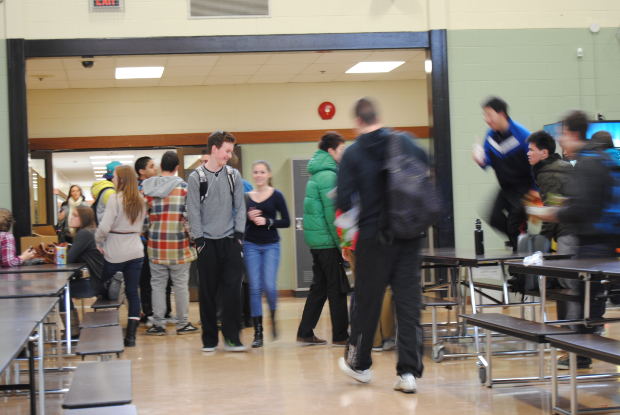
(Picture of my high school via here. I love that it looks like a faded postcard. Embarrassing high school photos via Facebook by way of Rachel and Matt. : )


On Writing: A First Attempt at Self-Reflection.

typewriter

As you may have noticed, Finding delight. and writing in general have taken a bit of a backseat for me these last few weeks. Long work days, with long play days (I’m trying to enjoy Summer to it’s fullest while it lasts : ) interspersed as well, fill up my calendar to bursting. I figured this step away would be a great time to reflect on my writing. I strive to continue to grow and remain, as ever, a life-long learner. Here is a current assessment of my writing–

I’ve always felt an intense need to know the stories of others. Perhaps due to some innate, busybody quality so deeply ingrained in my curious person I seek them out without a moment’s hesitation. Or maybe, and this is certainly the more forgiving explanation I tend to hope is true, it is within these narratives I collect that my own story gains meaning. Yet peering down a dark, forgotten alleyway in someone else’s story in search of clues to create your own is troubling.  I once saw a newspaper cartoon sum up the marketability of our stories rather aptly. Two bookshelves were shown in the memoir section of a bookstore–one labeled “People with lives way better than mine,” the other “People with lives way worse than mine.” As a reader, these subsections are comforting. Escapism and reassurance. Self-help and self-congratulation. But as a writer, I end up wondering; how can I tell my own life without touting my privilege or weighing the tragedy I’ve encountered against others’? Will anyone peer around a corner in my life and, startled, run right into themselves?

As I’m seeking to incorporate my own story into my writing much more than ever before, not always as the subject of- but at least the framework for-, I find this familiarity with the stories of others to be both a strength and a weakness. I know how to tease emotion to the front of the page. I have an understanding of what readers find compelling. I am honest. But I worry about relatability. I worry about form and length. And most detrimental, I still believe I can make the words and thoughts of another more beautiful than I can make my own. The reader is my best friend and my greatest enemy. I concern myself with people’s perceptions and approval before the first word hits the page. I’m not going to bullshit and say I would write for no one, that is a lie. I want everything I write to be read. I write FOR readers. In the end, I believe this audience awareness is an asset.

All of this being said, there is no particular aspect of my writing which keeps me awake at night. Yes, I could stand a refresher course in grammar–specifically commas, my writing teacher brother so sweetly pointed out. (I can’t help that I love them.) I have a penchant for writing as if my words will be spoken not read. Sometimes my style is anything but succinct. But I’m not losing sleep over any of these assessments. I know they can be rectified with practice and patience. What keeps me awake at night are my ideas and brainstorms. I lie in bed going over all the directions a topic could go, the sentences that could snap, the sources I could pull from. Even the perfect wording to an email comes to me as I settle in and keeps me restless in the dark for hours. For far too long these thoughts were overwhelming and resulted in little more than daydreams and conversation fodder. But more and more, I am learning to just wake up and write.

In the coming weeks I shall explore what this assessment means for me as a blogger and will attempt to work towards regaining some consistency with my posts. I am working with a Writer’s Group for accountability purposes (which is super nerd-alert exciting for me) and camaraderie. My current goal for the next week is not just to WRITE but to work towards a more organized process. Any writers out there? What are your favorite organizational tips? I’d love to try my hand at some of your ideas or discuss them with my new writer’s crew. : ) 


Book Club: In Pursuit of WHY it Gets Better Pt. 3

Happy Friday, Delight seekers!  I hope you all have had a fantastic week.  My sister, Beth, asked me to step in this month for the extended reading portion of her virtual book club!  As a self-professed expert and undercover anthropologist of the adolescent and teenage psyche, I jumped at the offer to put my knowledge to good use.

 Why undercover, you ask?  Well, it’s not difficult to see that I can slip into the world of teenagers very easily.  I look young. Just last weekend I was asked if I would prefer a child’s menu at a restaurant.  In one month I will begin playing a role which is a whopping 10 years my junior. I get carded every time I try to go to an R-rated movie.  Therefore, it is incredibly easy for me to slip into the pubescent mind set and see firsthand the effects it could have on an individual.  I can’t even count the number of times I got the up and down look from high school girls at the mall while shopping for an Easter dress just yesterday afternoon! Being a 23 year old woman, it didn’t affect me (“Honey, in 8 years you’ll want to wear an old man sweater, too,” my mind said with a hearty chuckle…), but imagine if I had been the 16 year old that they believed they were judging!  It could tear a girl down!  I am using this research and my own experiences to write a musical about a girl’s battle to find her true self.  And we all know that I am utterly obsessed with coming of age stories.  I believe they are one of the great human connections that bring us together as a species, because every one of us has gone through the trying time that is adolescence. Therefore, reading this book has been a (wait for it…) DELIGHT, and I would be honored to share with you some extended reading to further enhance your experience and knowledge.  Let us journey together through the cafeteria fringe…

geeks

 Let’s start with some further reading about the book and Robbins’ Quirk Theory from around the web:

An interview with Robbins on Live Science, an educational website targeted at students.

A review on the book by New York Times reviewer and Journalism professor, Jessica Bruder.

And of course, NPR has nothing but good things to say!

teenbooks

Now on to my literary bread and butter…coming of age stories that highlight personal discovery and becoming comfortable with who you truly are:

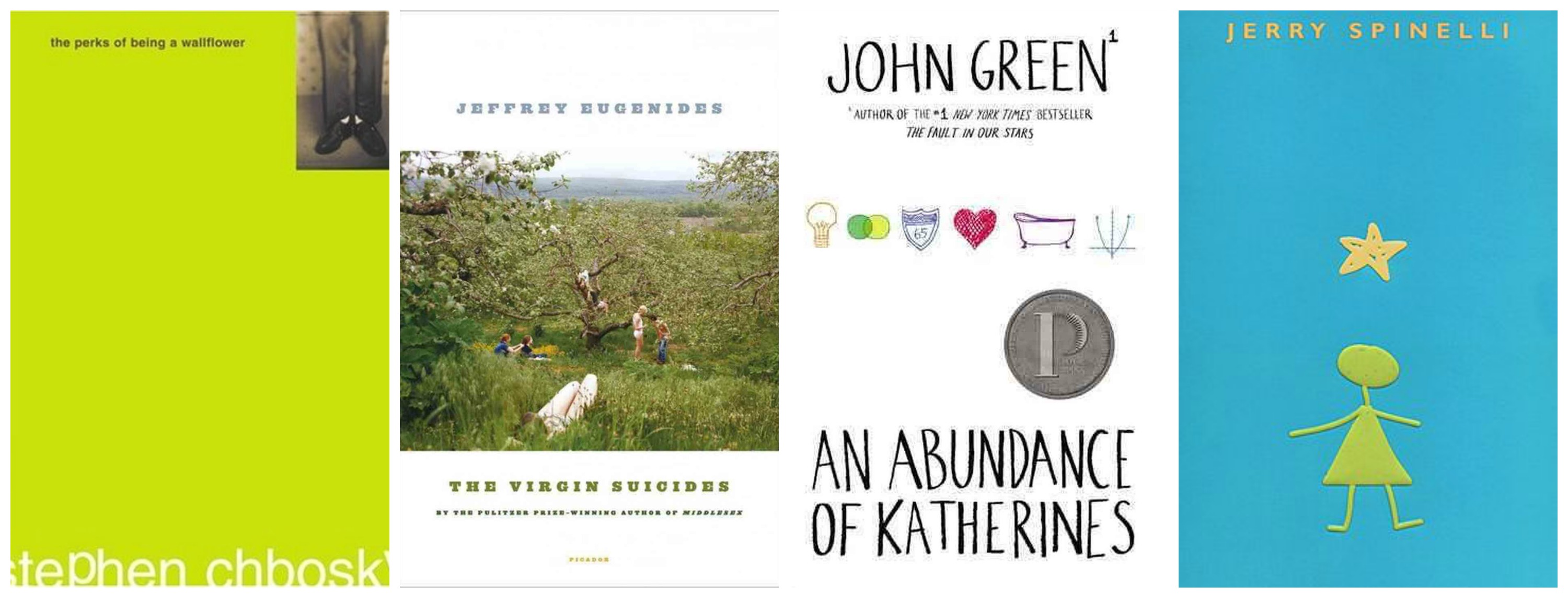
 Stargirl by Jerry Spinelli

 An Abundance of Katherines by John Green

 The Virgin Suicides by Jeffery Eugenides

 The Perks of Being a Wallflower by Stephen Chbosky

cafeteria

Not feeling like cracking the spine of a novel?  That’s ok too:

Non-fiction:

Queen Bees and Wannabes by Rosalind Wiseman – The book that launched a thousand gifs by inspiring the CLASSIC movie, Mean Girls.  Forever one of my favorite works of cinematic genius.  Thank you, Tina Fey.

Poetry:

The Realm of Possibility by David Levithan – I read this collection of poems while I was performing Spring Awakening every night…talk about getting me in the right state of mind!  Angst!  Heartbreak! Drama!

 Plays:

Spring’s Awakening by Frank Wedekind – I could write a 30 page paper about…oh wait. I did that my senior year of high school.  Just read it and then listen to the cast recording of Spring Awakening the musical and let your inner 14 year old laugh and cry along. Because it really is just the bitch of living.

 The Metal Children by Adam Rapp

 Speech and Debate by Stephen Karam

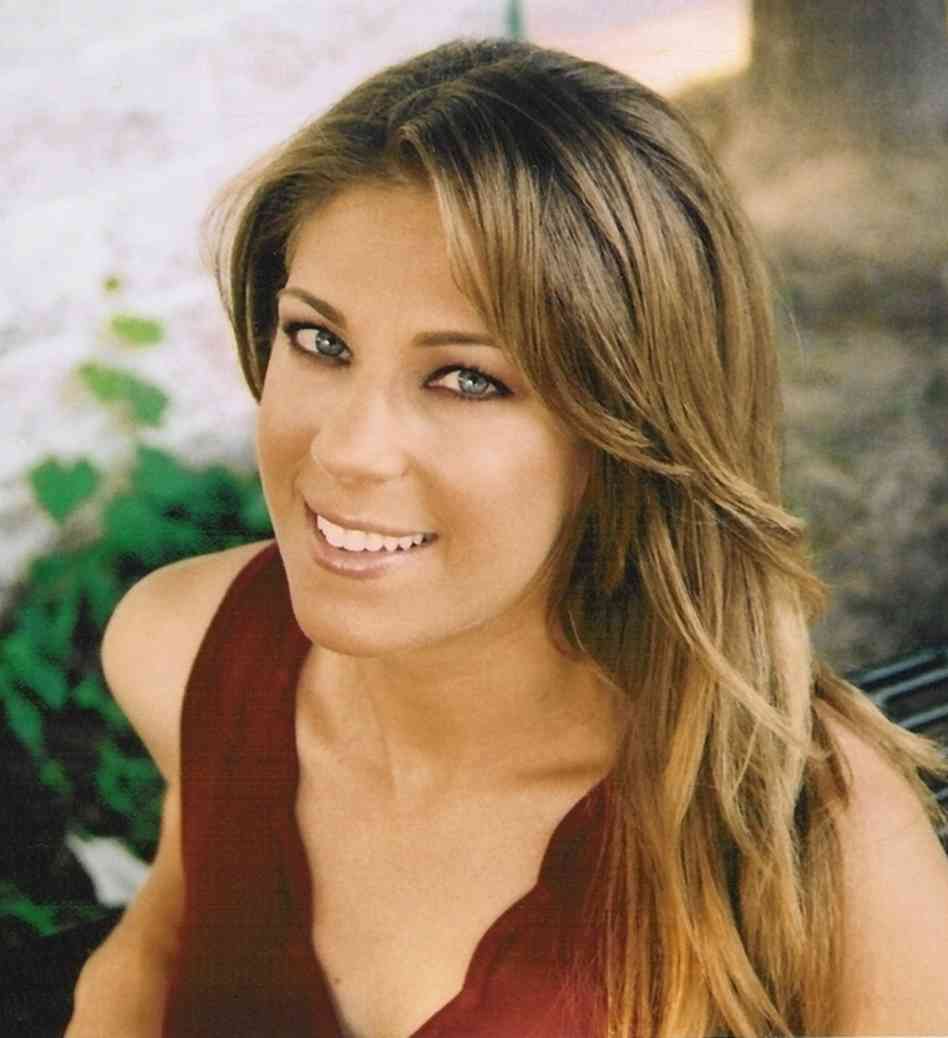
alexandrarobbins

 And finally, Alexandra Robbins has many more books for you to read, because life actually does go on after high school!  I know which one I’m checking out of the library next:

 Pledged: The Secret Life of Sororities

 The Overachievers: The Secret Lives of Driven Kids

 Quarterlife Crisis: The Unique Challenges of Life in your Twenties

 Secrets of the Tomb: Skull and Bones, the Ivy League, and the Hidden Paths of Power

Happy reading, and CONGRATULATIONS!  If you’re reading this, I am proud of you.  Why?  Because you got through the trying time that is adolescence. It was probably really hard.  It probably changed how you acted and how you viewed yourself.  You probably lost friends. You probably felt some really intense and angsty things, and probably acted on them.  But you made it, and you became an incredible, ever changing human being.

-KT

Thanks so much, Katie! Wanna get involved in the Finding delight. book club? Email me: ebeth.berger@gmail.com. Let’s talk books! ❤ And tune in next week for my final review. 

Book Club: In Pursuit of WHY it Gets Better Pt. 2

This month in the Finding delight. virtual book club we’re traveling back to the world of cliques and cafeterias with the help of Alexandra Robbins’ journalistic prowess in The Geeks Shall Inherit the Earth: Popularity, Quirk Theory and Why Outsiders Thrive After High School. This week, I’ve found some extended watching–in the way of interviews, movies and other internet gems–to help us nail down the answer to our over-arching questions: Why do things get better once you’ve taken off that high school cap and gown? How did our own differences suddenly elevate our social experience when before they felt so demoralizing? Check out the videos and review the questions raised throughout this post…remember, we’re traveling back to high school here so there may or may not be a test. ; )

More with Alexandra Robbins

An interview with the author herself in which she discusses why cliques are so prevalent, how schools help instead of hinder the teenage social hierarchy and what parents can do to dissuade their kids from feeling like social outcasts…

What would you tell a high schooler today if they confessed they feel flawed for not fitting into the social in-crowd? 

Robbins delivers a quick PSA on why “You’ve got to be proud to be an outsider.” She rattles off a laundry list of now famous individuals who identified with the outsider label as children or young adults. Now that I’m far enough into “Geeks” to feel like I really know the youth Robbins follows for a year, I have begun to recognize the qualities in their teenage selves that really COULD set them apart as adults. In this video, Robbins talks about Taylor Swift being ostracized in middle school for her intense love of country music. Similarly, the outsiders have qualities which will no doubt put them ahead of the pack in terms of employment, relationships and all sorts of social standing metrics.

Being different makes you awesome and some day people are gonna appreciate you for who you really are.” 

What qualities do you exhibit which exemplify Robbins’ “quirk theory”? Can you think of more examples of individuals who went from outsider to success story?

And just for fun, here is Alexandra Robbins on The Colbert Report discussing another book she wrote about high schoolers–The Overachievers: The Secret Lives of Driven Kids.

How do you think this quest for academic success/college acceptance as end goal affects social inclusion/exclusion? 

Cinematic Renderings of the High School Experience

My top 5 favorite “High School Movies”:

1. Ferris Bueller’s Day off

2. 10 Things I Hate About You

3. The Breakfast Club

4. Mean Girls

5. crazy/beautiful


And if you have a lot of time on your hands just watch all of Friday Night Lights!

What do these films get right about the high school experience? What do they get wrong? What’s your favorite movie about high school? Is there a movie that shaped your own teenage experience simply because it was about teens and you watched it WHILE you were a teen? #meta 

Remembering the Past/Help the Future

In the end, this book strikes a cord with so many because we’ve all been there. While it may be easier to come out the other side and benefit from “quirk theory,” I’d like to challenge you to peek back through that tunnel at the person you were. Have an old VHS tape of a choir competition? Watch it. Did you keep a journal full of poetry and essays? Read it. Look through old photo albums, class assignments, defunct for a decade Livejournals. This little trip down Nostalgia Boulevard could hold valuable information for how you interact with struggling teenagers in the future. It’s easy to put the past behind us and just say “Yeah, high school sucks but it gets better.” But a more concrete answer can be a lot more enlightening. After my own excavation of high school artifacts I’ve found this example: Yes, it was crazy weird that I felt the need to deliver a rather dramatic monologue for a talent show Fall semester of my freshman year of high school. Considering all the popular kids treated speaking in public like a joke and were more focused on sports than spotlights, this was in-crowd suicide. Yet, fast forward four years and speaking in public would get me into college and earn me all kinds of resume boosting awards. Fast forward four more and things like job interviews and work-place negotiations feel like no big deal. With the clarity of over a decade’s removal from that example I can see the difference between me and the in-crowd, in that instance, was bravery.

And now that we’ve isolated some of the things which made us unique in high school and thought of concrete examples for “quirk theory” in our own lives, the final extended watching I would like you to do is….real life, current high schoolers. Go support some kids. As I’ve said before, the school system is doing everything it can to support exclusion by putting certain kids, groups and extracurriculars on a pedestal. Let’s strive to counteract this trend by building up the kids who are different in similar ways to our high school selves. Judge a speech tournament. Go to a play. Buy a piece of art. Donate to a gaming club. Speak at schools about your job. Coach something. Volunteer. Talk to kids about their interests. Cheer for the marching band. Got more ideas? Leave ’em below! I think we can all commit to doing one of these things this month. : ) Let’s do it! 

If you could write a letter to your high school self what would it say? If you could sit down with one group of kids and READ them your letter to yourself who would they be?

 Dear Mr. Vernon, we accept the fact that we had to sacrifice a whole Saturday in detention for whatever it was we did wrong. But we think you’re crazy to make us write an essay telling you who we think we are. You see us as you want to see us – in the simplest terms, in the most convenient definitions. But what we found out is that each one of us is a brain…and an athlete…and a basket case…a princess…and a criminal…Does that answer your question? 

~The Breakfast Club~ 


Book Club: In Pursuit of WHY it Gets Better Pt. 1

bfastclubquote

When Dan Savage’s “It Gets Better Project” came out in 2010, a series of YouTube videos directed at teenagers who were the victims of homophobic bullying, something didn’t feel right to me. Here were a bunch of stories by people who had, yes, admittedly made it through to the other side, telling our youth a common tale–painstaking childhood, turning point, and a happily ever after. What struck me as unsettling was how un-nuanced this narrative arc was…surely there was more to the story than happenstance. Did we think that little of the children watching that we could only tell them things WOULD get better but not HOW to make them better? Yet, there seems to be a common truth for all those who’ve made it through the hallowed halls of secondary education–gay, straight, or otherwise–perhaps not entirely unscathed but made it through nonetheless; it IS better on the other side. So perhaps the question isn’t “How does this happen?” but “Why?” Why do the teens who didn’t have a spot at the cool cafeteria table end up as success stories in adulthood?

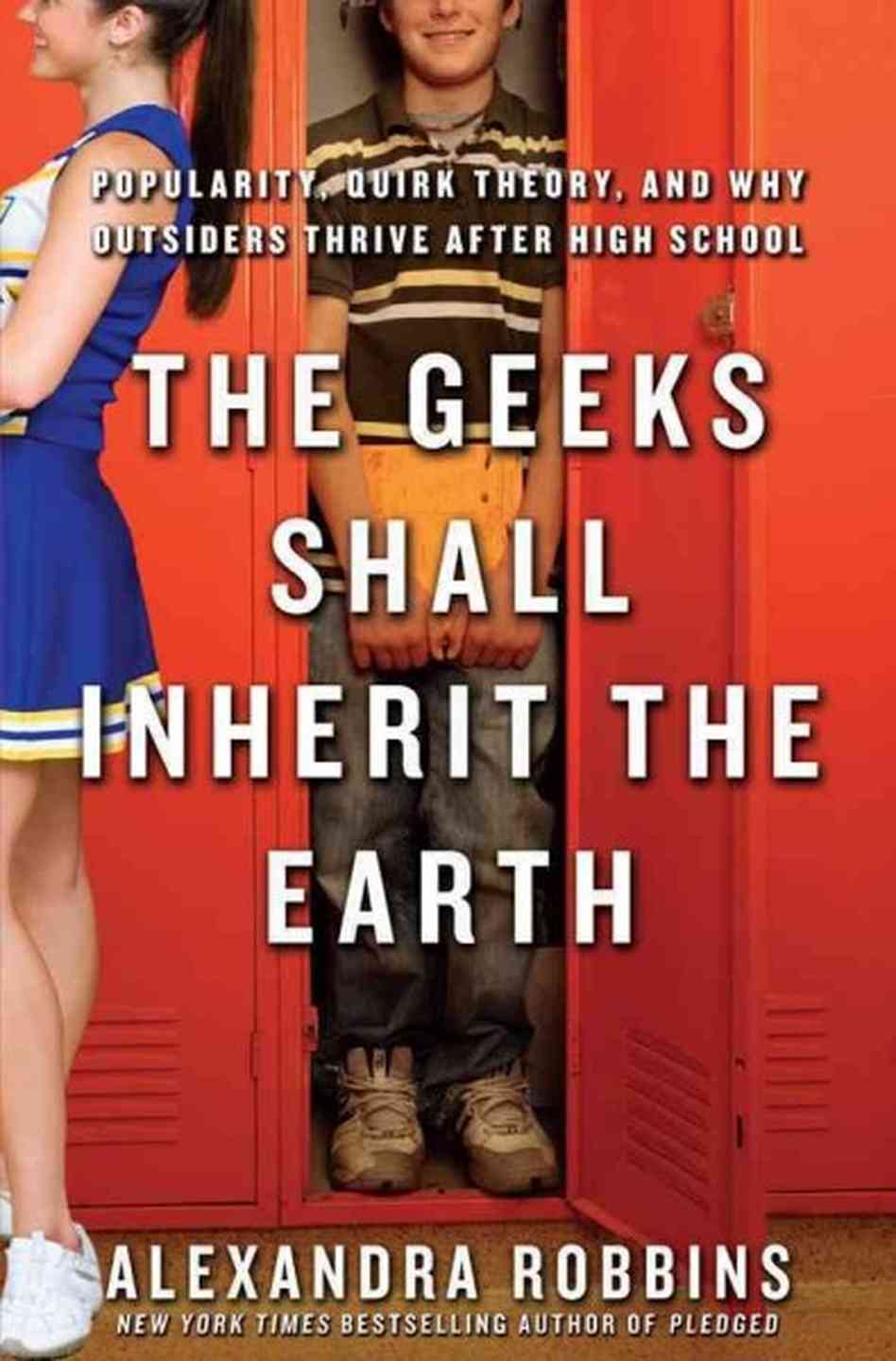
In this month’s book club we are going to attempt to uncover the answer to just that. Perhaps in analyzing why the losers, geeks, and outcasts in American teen culture gain access to a more promising future, we can finally solidify the “how” in our own stories and thereby paint a more holistic picture for our struggling youths than “it just will.” To do this, we will be reading “The Geeks Shall Inherit the Earth: Popularity, Quirk Theory, and Why Outsiders Thrive After High School” by Alexandra Robbins. No stranger to writing great non-fiction about the youth of America, Robbins notes in “Geeks” that she kept encountering kids who felt like there was something catastrophically wrong with them because they weren’t popular or they were bullied. In my experience as an educator of middle/high school students at various forensics institutes over the years, I have answered these same worries in ways probably not uncommon to those of you who have found yourselves in a role-model situation. “There’s nothing wrong with you. High school is crazy. The stuff that makes you unique now is gonna make you popular later!” and “The popular people are probably miserable too.”

geeks

Robbins takes a more academic approach to her answer and presents “The Quirk Theory,” explaining that the passions, idiosyncrasies, interests and all the stuff that makes one considered weird as a kid are the very quirks that will turn them into cool, interesting, and successful adults. And it’s true–as adults we reward passion; children, for whatever reason, tear it down. As my peers and I settle in comfortably on “the other side,” all it takes is a quick voyeuristic scan on social media to see endless examples of this theory in practice. Oh you can build a computer in your spare time? Awesome! I bet you’re making a shit ton of money. You’re working for an NGO in Botswana? Killer! Your stories are probably super interesting. You just crocheted a whole blanket? WHUT?! The patience! The creativity! Sell that shit on Etsy, dawg! The computer geek. The dirty hippie. The shy girl who sat by herself at lunch. In a matter of years these labels become completely reframed.

Robbins’ book follows 7 high school students labeled as, “the loner, the popular bitch, the nerd, the new girl, the gamer, the weird girl, and the band geek.” Following each student for a school year, you begin to recognize these people. Maybe you see yourself or someone you knew. Peppered in between these narratives are essays on popularity, how schools make the social scene more intense and the psychology of exclusion; all of which seek to help answer our underlying question–why did everything we hated about ourselves in high school, all the things that made us different and therefore BAD, suddenly turn us into the best versions of ourselves? How in Jesus’ name did we grow-up and suddenly get cool?

In a world where we’re spending tons of money on anti-bullying campaigns and initiatives, as I begin this book, the glaring systemic problem seems to be something we’ve yet to address. By promoting certain activities over others, the school systems are basically telling kids who should be bullied and who should do the bullying. As adults, I think we can do better. This discrepancy obviously hits close to home. I was a speech dork in high school–competing for a team who split their time 50/50 between practice and fundraising. We rehearsed on the same loop upstairs that the cross-country team ran on;  as we spoke to walls, snickering runners continuously lapped us in a never-ending stampede. Would our popularity trajectories have looked differently if the school was buying US new suits instead of the swim team? Who’s to say?

In an attempt to get to the bottom of all of this, why not join in the book club fun? A book club, you ask? FUN?!? That would soooo not have been cool in high school! So celebrate your adult-self and all the nerdiness you’re now allowed. Pick up a copy of “The Geeks Shall Inherit the Earth: Popularity, Quirk Theory, and Why Outsiders Thrive After High School” by Alexandra Robbins and let’s get weird.

(Top image via here.)

Any initial thoughts? Do you feel like you had a label in high school? What weird things about your high school self do you find gains you positive attention as an adult? What would you tell a student who is struggling with their outcast status today? Feel free to leave your answers in the comments below! And tune in each Friday!